A Brief Overview of Thessaloniki, Greece
Nestled on the Thermaic Gulf of the Aegean Sea, Thessaloniki boasts a strategic location that has made it a crossroads of civilizations for over two millennia. Founded in 315 BC by Cassander of Macedon and named after his wife, Thessalonike (half-sister of Alexander the Great), the city quickly rose to prominence.
It became a crucial city in the Roman Empire, a co-regent city of the Byzantine Empire, and later a significant Ottoman port. This extraordinary past has left an indelible mark on its architecture, culture, and, most notably, its people.

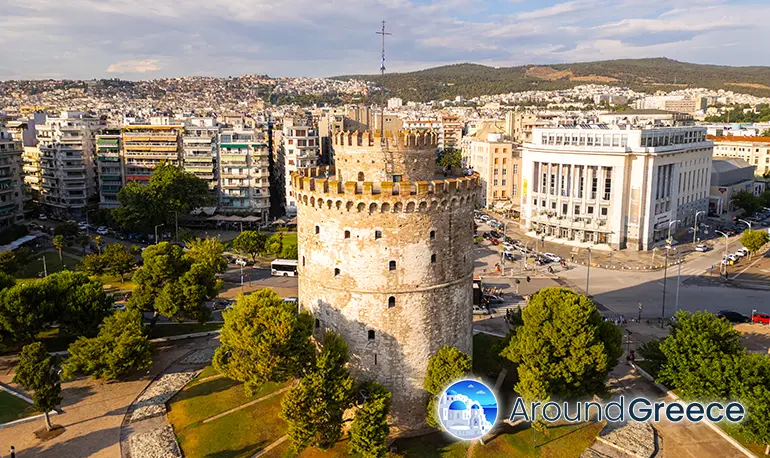
The White Tower of Thessaloniki
Today, Thessaloniki is a vibrant university city, alive with youthful energy, bustling markets, and a renowned culinary scene. While Athens might be the political capital, Thessaloniki proudly holds the title of Greece's cultural capital, celebrated for its festivals, art, and intellectual spirit.
It's a city designed for exploration – whether you're strolling along the picturesque waterfront, delving into ancient crypts, or sampling meze in a lively taverna, you'll feel the pulse of history mingling with the beat of modern life.
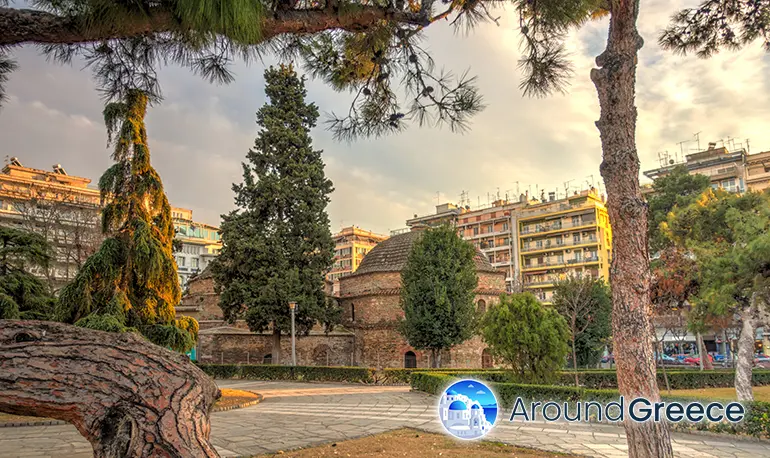
Discover the city of Thessaloniki
Top Attractions and Things to Do in Thessaloniki - Your Essential Sightseeing Itinerary
Thessaloniki offers an incredible array of attractions that cater to every interest. From UNESCO World Heritage sites to vibrant markets, here are the absolute must-sees for your visit:
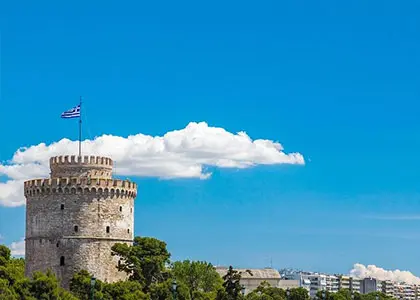
The undisputed symbol of Thessaloniki, this cylindrical Ottoman-era tower on the waterfront has served many purposes, from a fortification to a prison. Today, it houses a fascinating museum detailing the city's history. Climb to the top for breathtaking panoramic views of the city skyline and the Thermaic Gulf – a truly unforgettable experience.

White Tower (Lefkos Pyrgos)
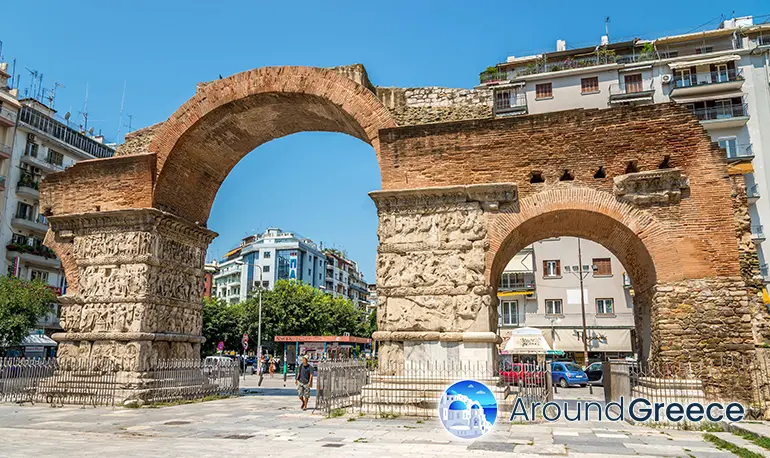
These two magnificent Roman monuments stand as testaments to Thessaloniki's imperial past. The Arch of Galerius, adorned with intricate carvings depicting the emperor's victories, once formed part of a grand complex.
The Arch of Galerius
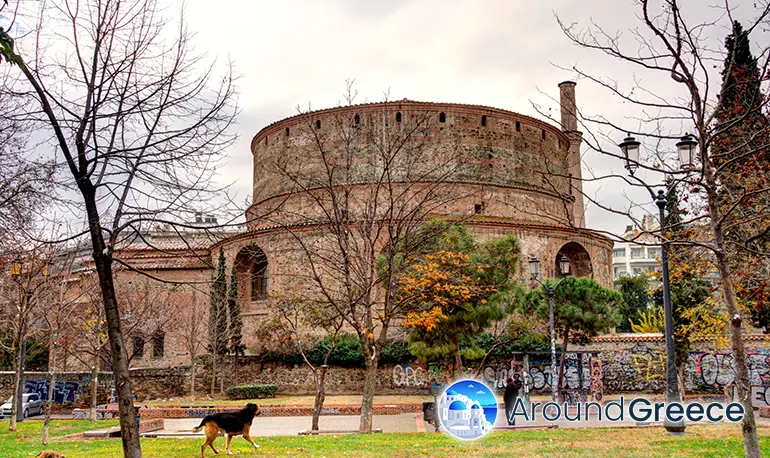
Just a stone's throw away from the Arch of Galerius, is the massive Rotunda, originally intended as a mausoleum, and which later served as a church and a mosque, showcasing millennia of architectural and religious evolution. It's an imposing and awe-inspiring structure.
The Rotunda
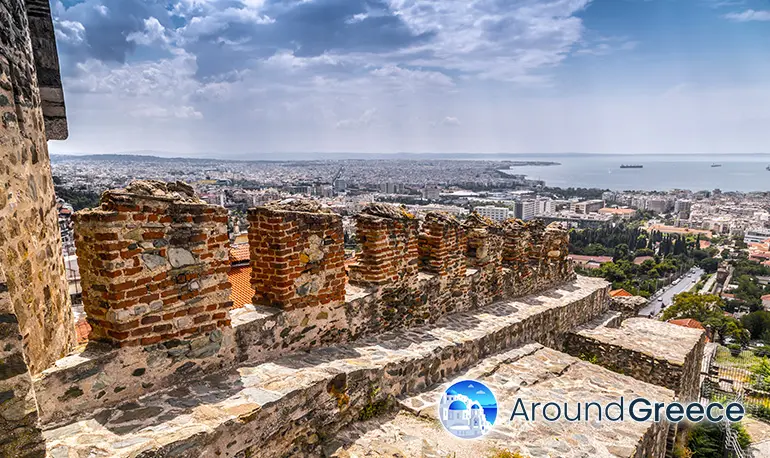
Step back in time as you wander the cobbled streets of Ano Poli. This charming, historic district, largely untouched by the Great Fire of 1917, offers a glimpse into old Thessaloniki. Explore its traditional Ottoman houses, find hidden Byzantine churches, and marvel at the impressive surviving sections of the city's Byzantine Walls. The views from the Eptapyrgio Fortress (Heptapyrgion) at sunset are simply magical.
Upper Town & Byzantine Walls
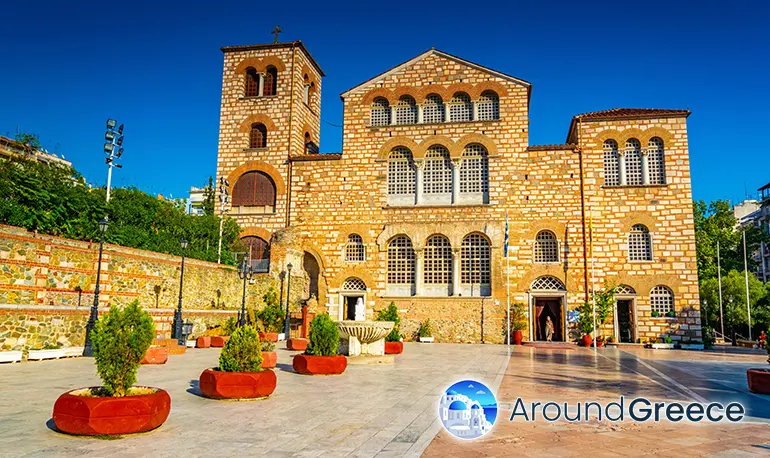
A UNESCO World Heritage Site and the city's patron saint church, this basilica is one of the most important early Christian monuments in Greece. Built over the site of Saint Demetrius's martyrdom, its crypt, stunning mosaics, and grand architecture are incredibly moving.
Agios Dimitrios Church
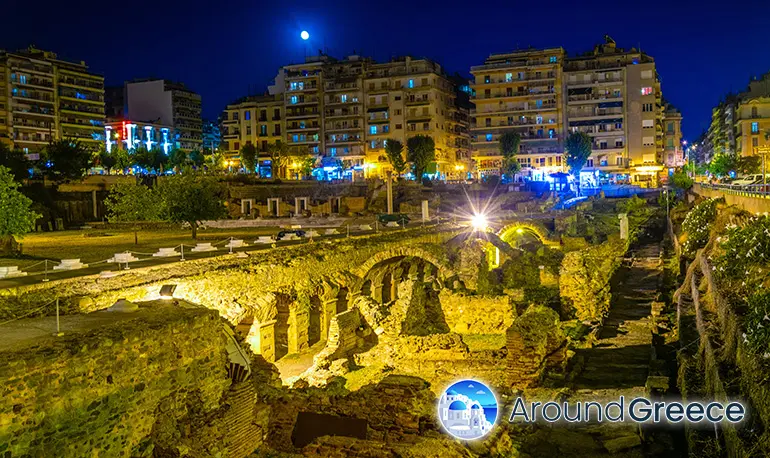
Situated in the city center, the Roman Agora was Thessaloniki's administrative, social, and commercial heart. Today, you can explore the ruins of its odeon (small theatre), stoas, and public buildings, and imagine the bustling life that once filled this space.
Roman Agora
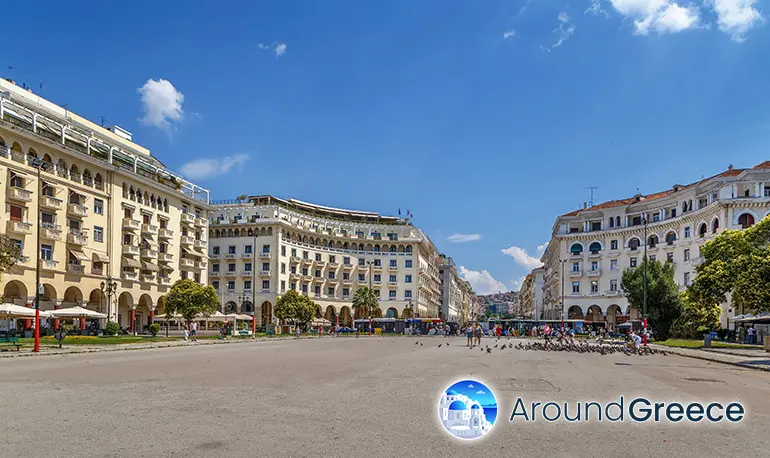
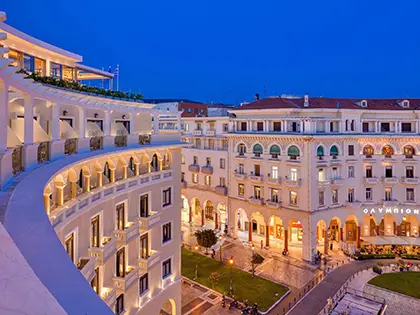
The vibrant heart of modern Thessaloniki, Aristotelous Square is a masterpiece of urban planning. Designed by architect Ernest Hébrard after the 1917 fire, it's a grand, open space leading to the waterfront, flanked by impressive neoclassical buildings housing cafes, hotels, and shops. It's the perfect spot for people-watching, enjoying a Greek coffee, or catching a traditional festival or concert.
Aristotelous Square
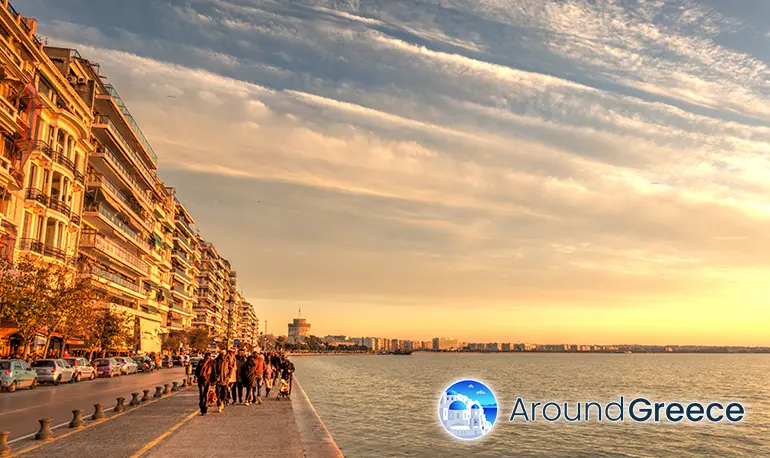
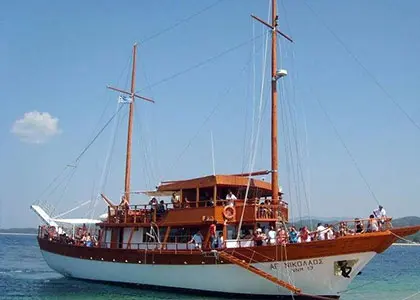
Take a leisurely stroll along Thessaloniki's reinvented waterfront, a beautifully landscaped stretch offering stunning sea views, public art installations, and plenty of benches for relaxation. It's a favorite spot for locals and tourists alike, especially at sunset. You can even join a boat cruise from here!
Waterfront Promenade
Home to an impressive collection of artifacts from the Prehistoric, Archaic, Classical, and Roman periods, this museum provides essential context to the city's ancient history, including treasures from the royal burials of Philip II at Vergina.
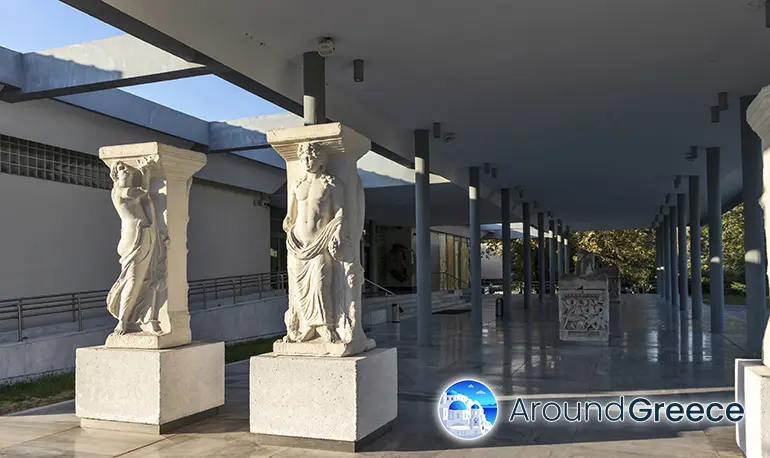
Archaeological Museum
Another UNESCO World Heritage site, this museum beautifully showcases Byzantine art, architecture, and daily life through an extensive collection of mosaics, icons, sculptures, and jewelry.
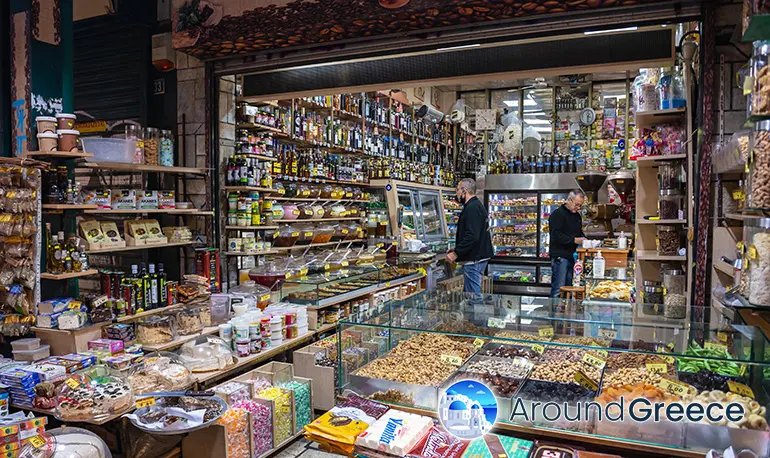
Immerse yourself in the sensory overload of Thessaloniki's traditional markets. Modiano, recently renovated, is a stylish food market, while Kapani retains a raw, authentic charm. Here, you'll find everything from fresh produce, cheeses, and spices to clothing, souvenirs, and vibrant street food. They are fantastic places to people-watch and soak up local life.
Kapani Market
When to visit Thessaloniki
Thessaloniki is a destination that you can visit anytime of the year. Each season brings new colours, scenery and experiences. Spring and Autumn are the two most popular times of the year, where you can enjoy weather without the crowds.
Spring (April-May): Spring is one of the best times to visit Thessaloniki, as the weather is pleasant with mild temperatures and low rainfall. You can enjoy the blooming flowers and the green landscapes, as well as explore the city's historical sites and outdoor attractions comfortably. Spring is also a great time to experience the Easter celebrations, which are very festive and colorful in Thessaloniki.
Summer (June-August): Summer is the peak season for tourism in Thessaloniki, as the weather is hot and sunny, and the sea is warm and inviting. You can relax at the beaches near the city, such as Perea, Agia Triada, Epanomi, and Potamos, or take a boat trip to the nearby islands, such as Thassos and Skiathos. Summer is also a time for cultural events and festivals, such as the Thessaloniki International Film Festival, the Thessaloniki Concert Hall Festival, and the Thessaloniki Pride.
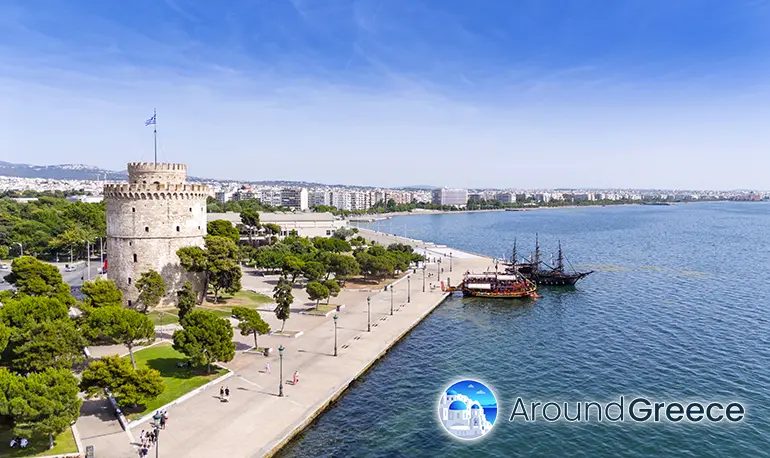
The coast and White Tower
Autumn (September-October): Autumn is another ideal time to visit Thessaloniki, as the weather is still warm and sunny, but less crowded and more affordable than summer. You can admire the changing colors of the leaves and the fruits of the harvest, as well as taste the local delicacies, such as grapes, figs, chestnuts, and mushrooms. Autumn is also a time for music and art, as Thessaloniki hosts the Dimitria Festival, the Reworks Festival, and the Thessaloniki Biennale of Contemporary Art.
Winter (November-March): Winter is the low season for tourism in Thessaloniki, as the weather is cold and rainy, and the sea is too chilly for swimming. However, winter has its own charm and advantages, as you can enjoy the cozy atmosphere of the cafes and taverns, the festive decorations and lights, and the Christmas and New Year celebrations. Winter is also a time for sports and adventure, as you can ski or snowboard at the nearby mountains, such as Kaimaktsalan, Seli, and Elatochori.
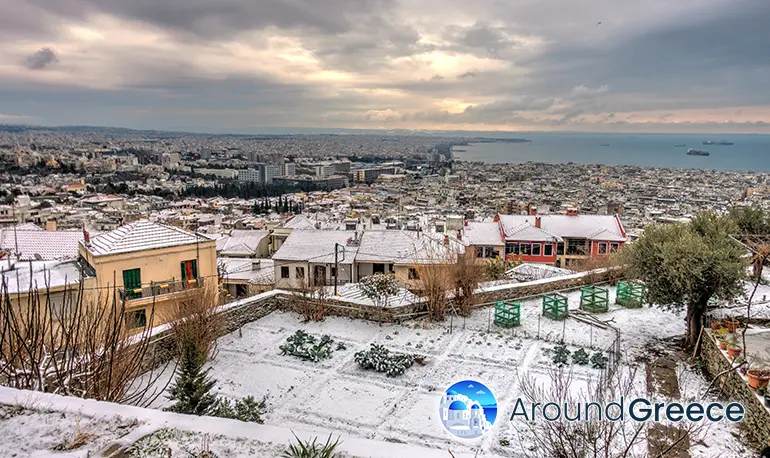
Snowfall in Thessaloniki
Getting There & Travelling Around
Thessaloniki is accessible by air, train and bus. There are frequent international flights to the city, as well as good connections with trains and intercity buses with the rest of Greece.
By Air: The Thessaloniki International Airport "Makedonia" (SKG) serves numerous international and domestic flights. Public buses (line X1) connect the airport to the city center and the main bus station.
By Train: The city is connected by rail to other major Greek cities, including Athens. The train journey from Athens to Thessaloniki takes just over 5 hours, while from Patras, the journey is just under 9 hours. You can check the train schedules and book your tickets online at the Hellenic Train website.
By Bus: The Intercity Bus Station (KTEL) offers extensive connections across Greece.
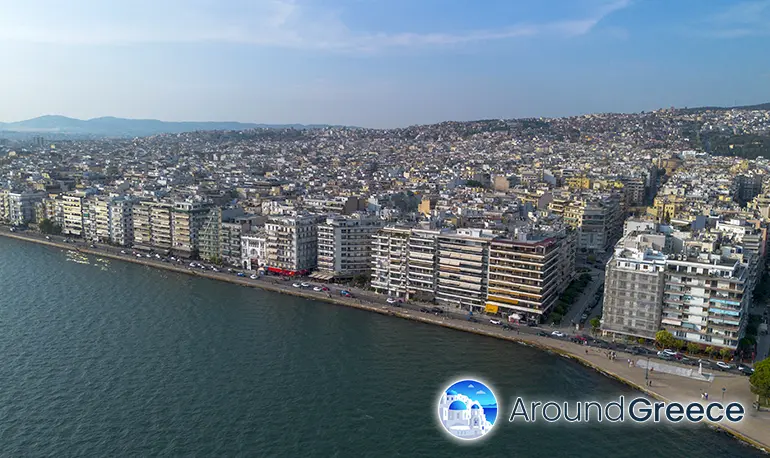
The Thessaloniki Promenade
Thessaloniki is well-connected by public transport. The city has a reliable bus system, and plenty of taxis are available. Consider walking to explore the city's charming neighborhoods more intimately.
Walking: The city center and major attractions are very walkable. Wear comfortable shoes!
Buses: An extensive and affordable bus network (OASTH) covers the entire city. Purchase tickets from kiosks, vending machines at bus stops, or on board (with exact change).
Metro: Thessaloniki's long-awaited metro system partially opened in 2024, promising to revolutionize urban transport. You should check the official website of the Thessaloniki Metro for updated information about operating times, new stations and more.
Taxis: Readily available and reasonably priced. Look for official yellow taxis.
Where to Eat in Thessaloniki - A Culinary Journey
Thessaloniki is widely regarded as Greece's gastronomic capital, and for good reason! Its cuisine is a delightful blend of Mediterranean, Balkan, and Ottoman influences, characterized by fresh ingredients, rich flavors, and generous portions. Prepare your taste buds for an unforgettable journey.
Must-Try Local Dishes
Bougatsa: A quintessential Thessaloniki breakfast! This delicate pastry comes in sweet (filled with semolina custard) or savory (cheese or minced meat) versions. Enjoy it hot and flaky with a sprinkle of cinnamon and sugar.
Souvlaki & Gyro: While available throughout Greece, Thessaloniki does these street food staples exceptionally well. A pork gyro on pita bread with tzatziki, tomatoes, and onions is a true delight.
Koulouri: A circular sesame-crusted bread ring, perfect for a quick snack on the go.
Tzatziki: The classic Greek dip made from yogurt, cucumber, garlic, and olive oil – a perfect accompaniment to almost anything.
Mussel Saganaki: A local specialty showcasing the city's coastal location. Mussels cooked in a rich tomato and feta sauce.
Desserts: Beyond bougatsa, indulge in Trigona Panoramatos (triangular pastries with cream filling) and Ravani (syrup-soaked semolina cake).
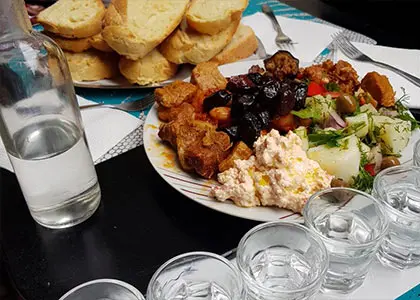
Ouzo & Tsipouro: Don't forget to sample these traditional Greek spirits, often enjoyed with mezedes (small savory dishes).
Popular Restaurants & Dining Areas
Modi Fusion Cuisine - A must-visit for its serene atmosphere and creative approach to traditional Greek cuisine.
Nea Folea - Famous for its local meze and ouzo, this is the place to enjoy authentic flavors in a relaxed setting.
Vogatsikou 3 - A small yet delightful eatery offering an innovative twist on Greek classics. Reservations are recommended!
Sebriko - Known for modern twists on traditional Greek dishes with fresh, local ingredients.
Ergon Agora - Combining a gourmet grocery store with a restaurant serving authentic Greek flavors in a lively setting.